
From Black Flag’s anti-punk long hair and Garth Brooks’ baffling Chris Gaines experiment, we explore the artists whose visual reinventions sparked outrage, confusion and backlash.
Artists changing their musical style often involves changing their visual identity as well. A true master of this craft was David Bowie, from the glam rock alien Ziggy Stardust to the iconic red and blue lightning bolt makeup of Aladdin Zane and even the 1980’s gentleman look Bowie never missed reinventing his image. The fans loved Bowie and his ever changing styles, some artists however changed their visual style and fans hated it.
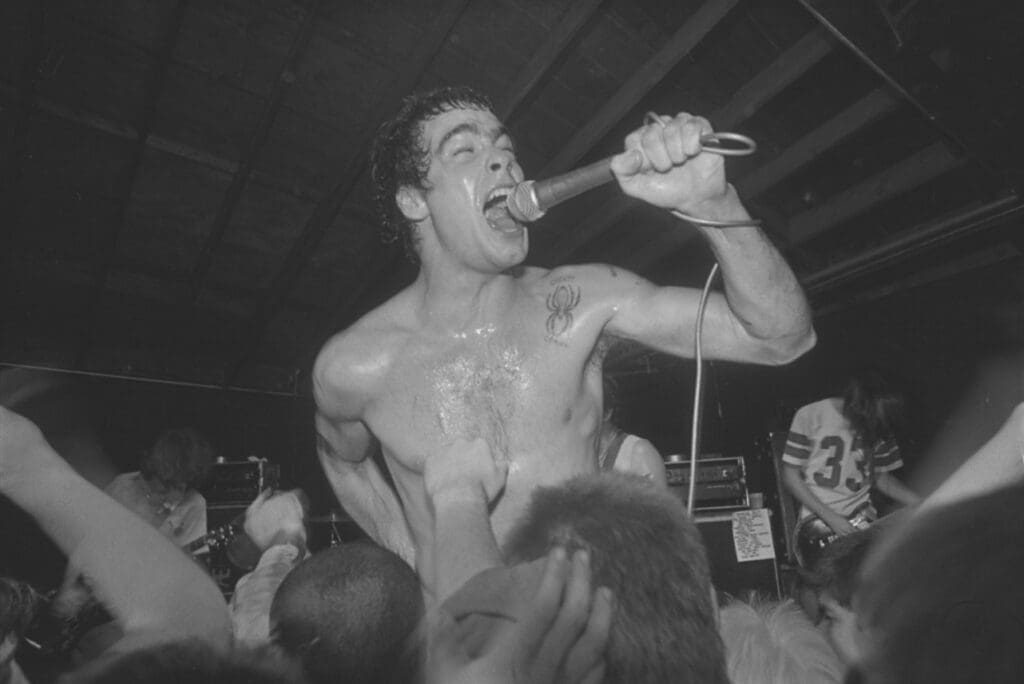
We begin with hardcore punk band Black Flag, around 1982 the band decided to sport long hair and beards. There was a deliberate choice by the band to defy the conformist skinhead aesthetic of the hardcore scene. This un-punk appearance was met with disdain from fans as punks at the time associated long hair with hippies or metalheads.
Henry Rollins the vocalist at the time said in a 2013 interview: “When I was young one summer Black Flag, we didn’t cut our hair because we would get so much outrage from punk rockers ‘what are you hippie’ like yeah I’m a hippie now because I haven’t cut my hair for a week and a half like, what all of a sudden this is an elitist group. I rebelled against that so much where we would play a song that was like four whole minutes long like ‘what’s up with that’ like what do you mean what’s up with that, we’re trying something and I found these people to be certainly, not all of them but by large I found them to be some of the most elitist, closed-minded people I had ever encountered. I’m like I’m back in high school with all these guys who are making fun of me and I thought music is like the judgment free zone.”
Credit: UCLA Library Special Collections
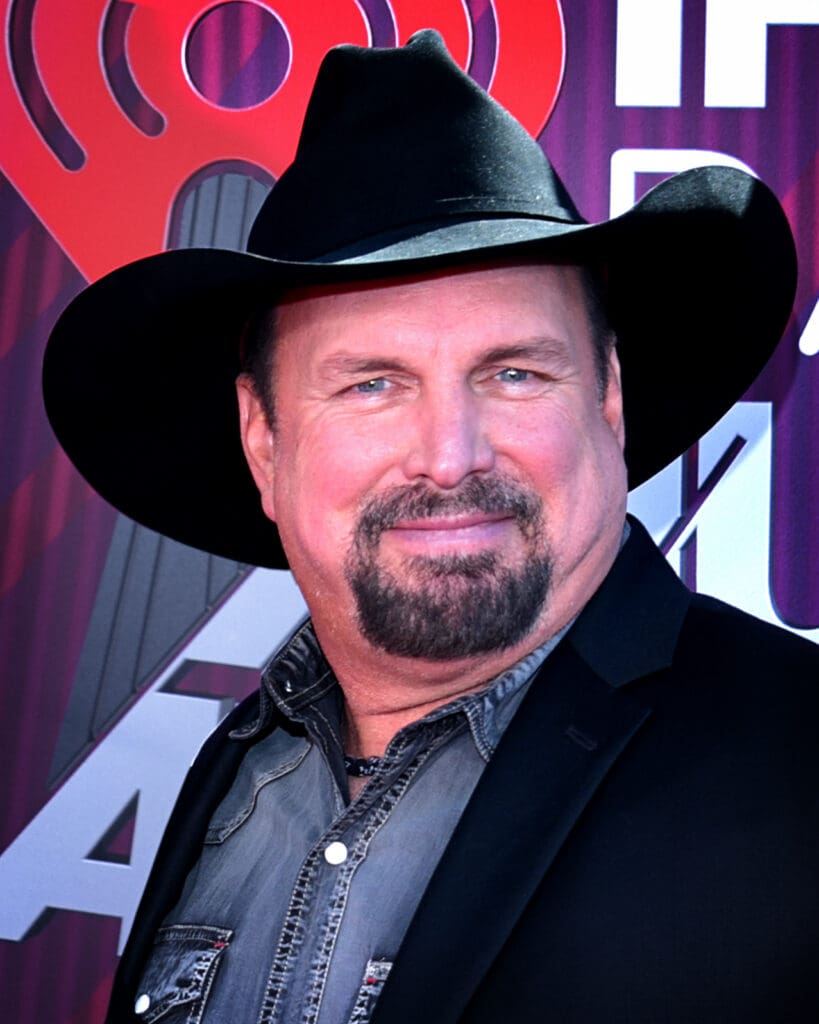
Country singer Garth Brooks launched his bizarre, fedora-wearing, pop-rock alter ego Chris Gaines in 1999. The stark visual transformation to an angsty, brooding rocker was universally rejected by his core country fans. He wore a long messy hair wig, a soul patch and adopted an alternative rock sound. The idea for this change was to feature Gaines in a film called The Lamb that never materialised. Fans were left deeply confused by the dramatic shift ultimately causing the project to fail.
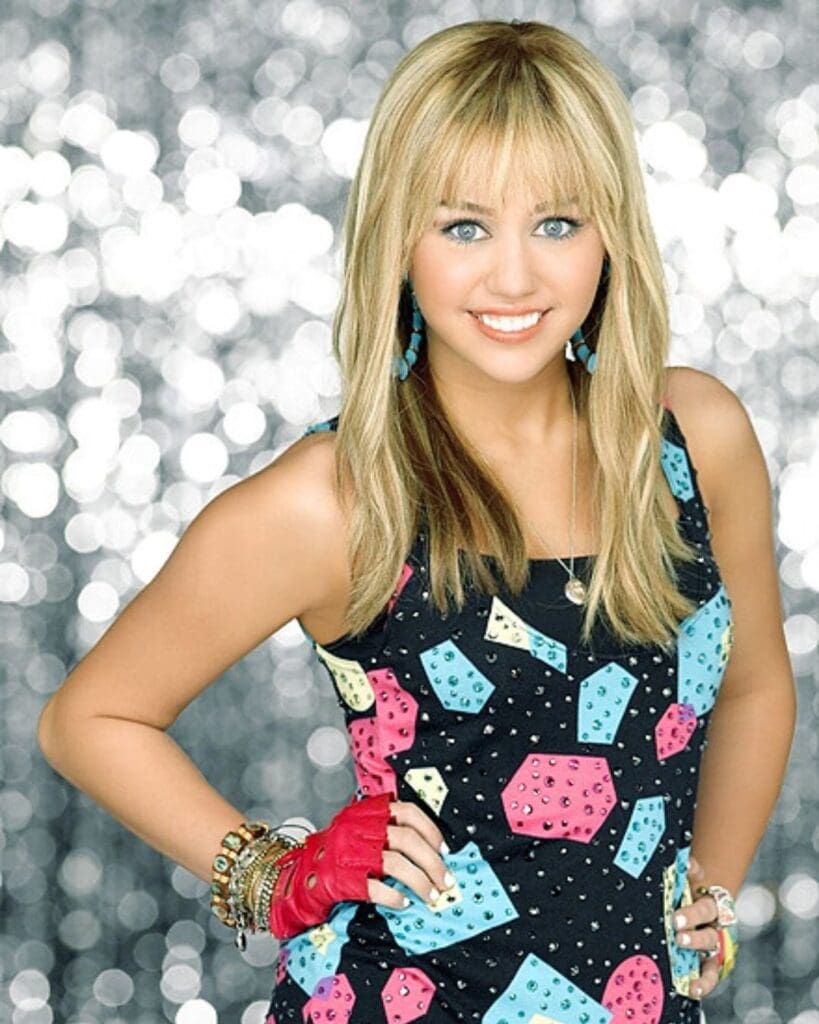
When transitioning from her wholesome Disney-era Hannah Montana image to her gritty, hip-hop, avant-garde aesthetic of Bangerz Miley Cyrus came under fire. Many long-time fans and parents of her younger audience were shocked and vocal in their criticism. The change from squeaky-clean Disney identity to the raunchy, hip-hop aesthetic shocked many. In 2013 Cyrus performed at the MTV VMAs in 2013, the performance began with Cyrus performing “We Can’t Stop” in bear-themed attire. Following this, Robin Thicke entered the stage and Cyrus stripped down to a flesh-coloured two-piece latex outfit while they performed “Blurred Lines” in a duet. Cyrus subsequently touched Thicke’s crotch area with a giant manicured foam finger and twerked against him. The performance was described by XXL critic B. J. Steiner as a “trainwreck in the classic sense of the word as the audience reaction seemed to be a mix of confusion, dismay and horror in a cocktail of embarrassment”. Her new look combined with provocative moments like the MTV VMAs drew intense criticism.
MGK formerly known as Machine Gun Kelly began a feud with Eminem in 2012 by tweeting that Eminem’s daughter Hailie was “hot as fuck”, MGK was 22 and Hailie was 16 at the time. This began a nearly decade long beef between the two culminating on Eminem’s track “Not Alike”. MGK quickly responded with “Rap Devil,” which led Eminem to end the feud by dropping the career-altering response track, “Killshot”. The intense public reaction is widely credited as the catalyst for MGK’s pivot from hip-hop to pop-punk/rock. Since the switch of genre and visual identity MGK’s music has nowhere near performed as good as his earlier work.
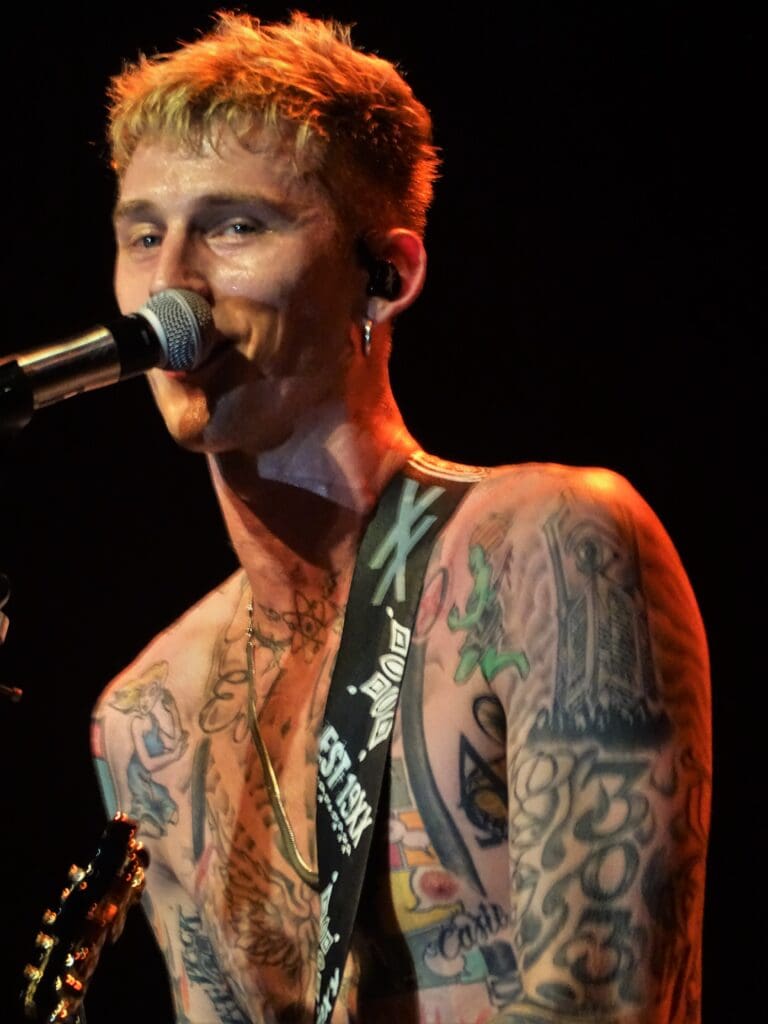
Credit: Paulien Zomer
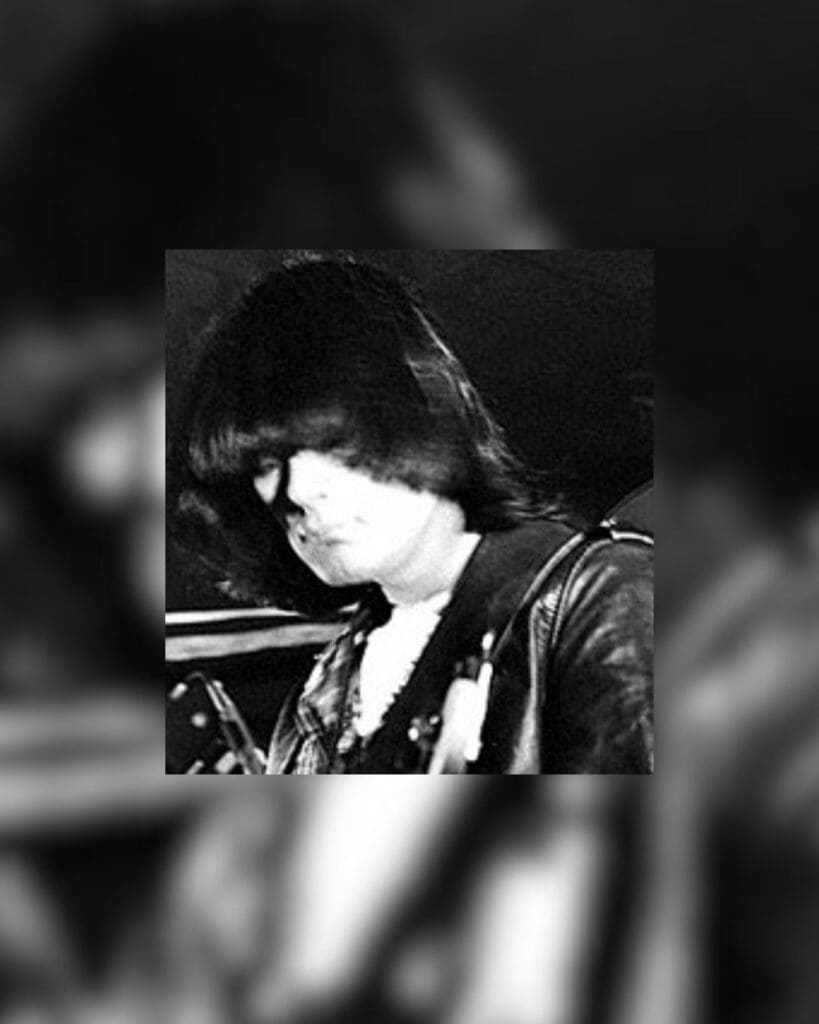
Dee Dee Ramone famously abandoned The Ramones in 1989 to reinvent himself as a rapper under the alter ego Dee Dee King. After cementing himself as a leather jacket-wearing punk icon, he left to pursue a career in hip-hop. Wanting to escape the punk genre, he released the widely maligned hip-hop and doo-wop hybrid album, Standing in the Spotlight. He started wearing tracksuits and gold chains to gigs, fans found the rap regalia and identity shift baffling. The album was a massive commercial and critical failure, alienating both punk and hip-hop fans. Dee Dee later admitted the project was a bust, abandoning the rap persona.
Bring Me The Horizon are a band that some would say have evolved their sound and aesthetic over the years, from Count Your Blessings deathcore to Suicide Season’s metalcore to the pop rock electronic sound of Amo. The band have consistently changed styles, leaving fans of different eras feeling alienated.
Post-metal vocalist and guitarist Brady Deeprose of Conjurer put it best in a 2025 interview at Damnation Festival: “I have a lot of respect for Bring Me The Horizon, looking at where they came from to where they are now. Even though their current stuff isn’t for me, they have constantly changed their style and that is something we all aspire to as musicians.”
Featured image via UCLA Library Special Collections on Wikimedia Commons


0 Comments