
From Kendrick Lamar’s hard-line stance on authenticity to Cardi B’s unapologetic defence of collaboration, ghostwriting remains one of rap’s most controversial subjects. This feature explores the hidden writers behind some of hip-hop’s biggest hits, the money and power dynamics shaping the industry, and why attitudes toward ghostwriters may finally be changing.
Rap and hip-hop artists that use ghostwriters are frequently compared to pop singers that use songwriters but there are a few differences between the two. Songwriters are usually credited on the track(s) that they have worked on and get extra benefits such as publishing and royalty revenue as well as an upfront fee, whereas ghostwriters get no credit, have to sign a non-disclosure agreement and get a one off payment for their work.
Within the rap and hip-hop world the art of storytelling through first-person narratives as lyrics is fundamental to the genre and artist, with the use of ghostwriters frowned upon as the artist is perceived as unauthentic. But why is it so prevalent within these genres and is the perception and acceptance of using ghostwriters changing. For example, a Genius poll in 2024 revealed that 61% of rappers said that use of ghostwriters is “acceptable for hooks but not verses”. The 2024 Spotify Data Insight Report shows songs written by professional ghostwriters have 32% higher chances of charting in Billboard Top 100 compared to artist-written tracks and 37% of mainstream rap releases under major US labels in 2023–2024 involved uncredited lyric contributions, often from studio writers and producers.
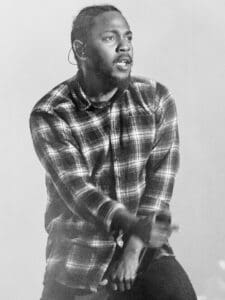
Grammy and Oscar winner Kendrick Lamar told Rolling Stone: “It depends on what arena you’re putting yourself in. I called myself the best rapper, I cannot call myself the best rapper if I have a ghostwriter. If you’re saying you’re a different type of artist and you don’t really care about the art form of being the best rapper then so be it, make great music but the title won’t be there.”
Credit: Batiste Safont
For as long as there has been rap, there have been ghostwriters. Hip-hop’s first hit, Sugar Hill Gang’s 1979 “Rapper’s Delight,” reportedly contained lyrics written by an uncredited Grandmaster Caz. As rap boomed during the late ’80s, so, too, did the business of ghostwriting.
Percy Carey aka MF Grimm has often collaborated alongside hip-hop’s ultimate hidden rapper, the late MF Doom, Grimm told Forbes in 2015: “I have been hired by record labels as far back as 1986, in the capacity of supplying verses, hooks and entire songs including work for a pre-Death Row Dr. Dre. I think I set the rate of every bar at a thousand dollars, and everything I did was off the books.”
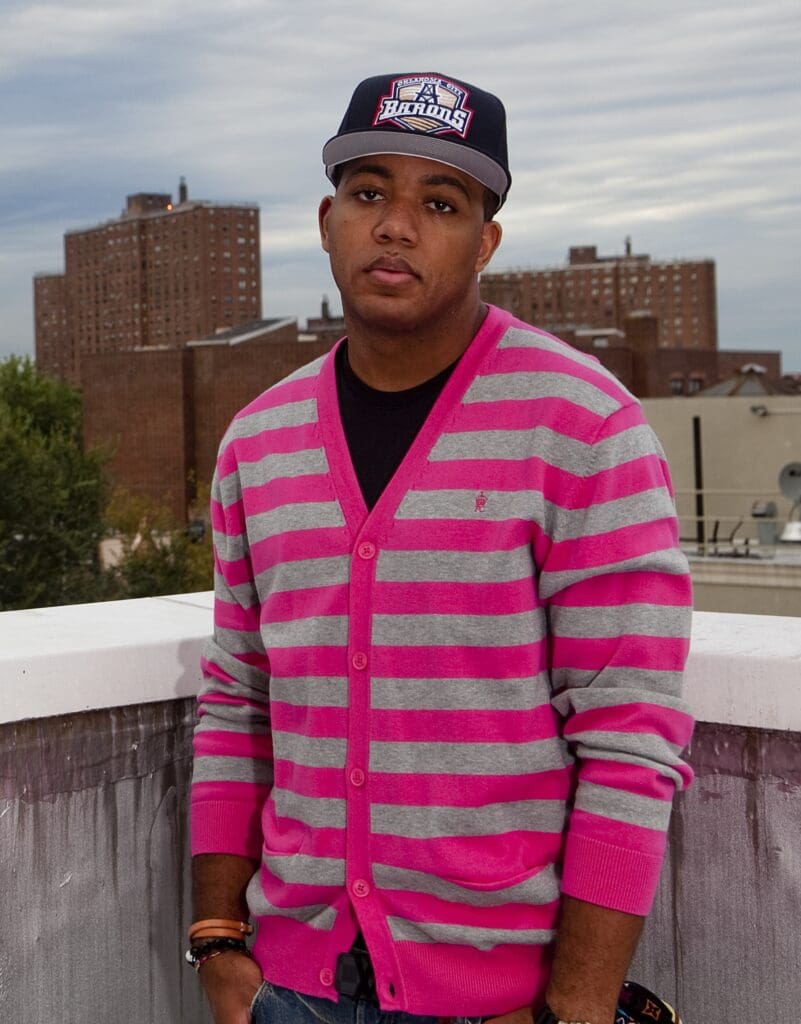
Gregory Taylor known professionally as Skyzoo is a prolific ghostwriter and artist said: “A lot of times people think, oh, they got credit so they’re not a ghostwriter, but you kind of still are if it’s not common knowledge that you worked on the record. Especially in the digital era with Spotify you’re not even getting the credits anymore.”
Credit: Joseph Amandola
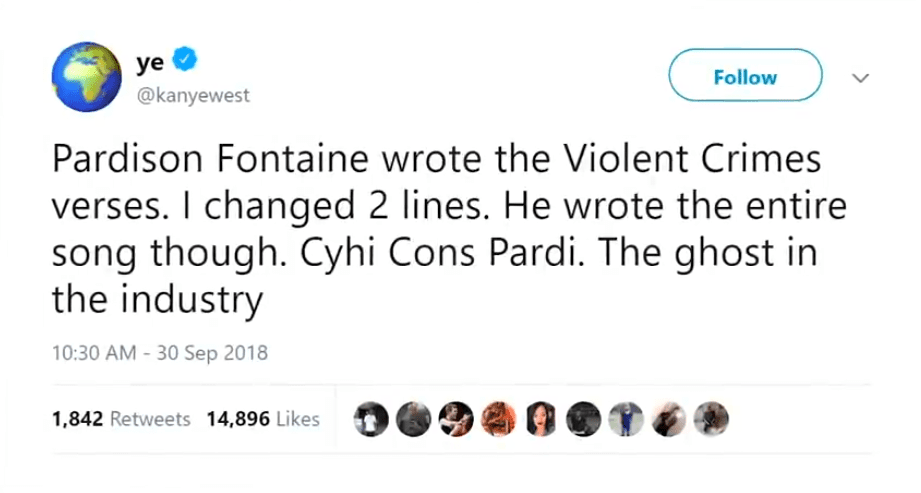
While the use of ghostwriters is frowned upon some artists have been very honest about their use of ghosts. Kanye West took to Twitter in 2018 to proclaim his own use of ghostwriters praising Pardison Fontaine, Cyhi the Prynce and Consequence. Not forgetting Rhymefest’s Grammy winning contributions to “Jesus Walks” from Kanye’s debut album The College Dropout.
Credit: Kanye West via X
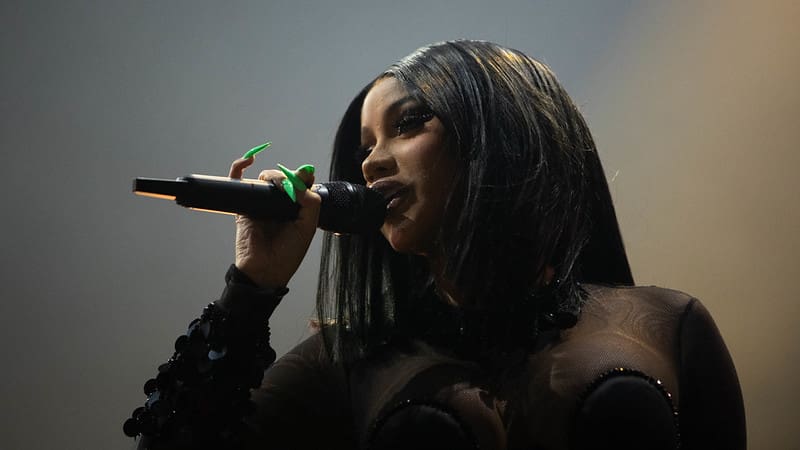
Cardi B has also acknowledged her ghostwriter PardisonFontaine at award shows, even taking it a step further at her Fashion Nova launch party in November 2018 Cardi said: “All these rappers got writers, even the ones that be saying they don’t, they lying bitch. Even if I didn’t wrote it or if I did I’m still gonna get paid.”
Credit: Markus Indrebø-Langlo
And there lies one of the issues with ghostwriters, the pay. The typical fee is 5-20 thousand dollars, maybe more for major label and A-list projects, some as high as $250,000, but what happens when they do not get paid? Shaqwan Lewis better known by his stage name Skillz or Mad Skillz who has worked on hundreds of projects said: “A popular DJ heard two of my songs and he was like, I want to put them on my album. Two weeks later he sent me back the rough vocals with somebody else rapping my hooks, and that was my first time being introduced to ghostwriting.” While Skillz was paid for his inaugural ghost writing session, some rappers that allegedly didn’t pay up found their actions on display in the lyrics of his 2000 track “Ghostwriter” with their stage names blocked out. Although the people in the track remain anonymous, allegedly an uncensored live version exists with the names left in, including some of the biggest of mainstream rap in the late 1990’s.
Credit: Wikimedia Commons
Even some of the greats have been known to ghostwrite for other artists, Nas has a history of penning hits for others, most notably for Will Smith (“Gettin’ Jiggy Wit It” and “Miami”), Dr. Dre (“Watcher”), Diddy (“I Need A Girl”), Foxy Brown and Jermaine Dupri.
With ghostwriting being such a controversial topic in music. The question still remains, does the artist sacrifice their integrity by using a little help from a ghostwriter, or are ghostwriters the way forward to help with writer’s block and inspiration for music. Perceptions and use of ghostwriting has certainly changed in recent times.
Featured images via Wikimedia Commons


0 Comments